How a Brightworks Investigation Starts
The second in a series on how learning works at Brightworks
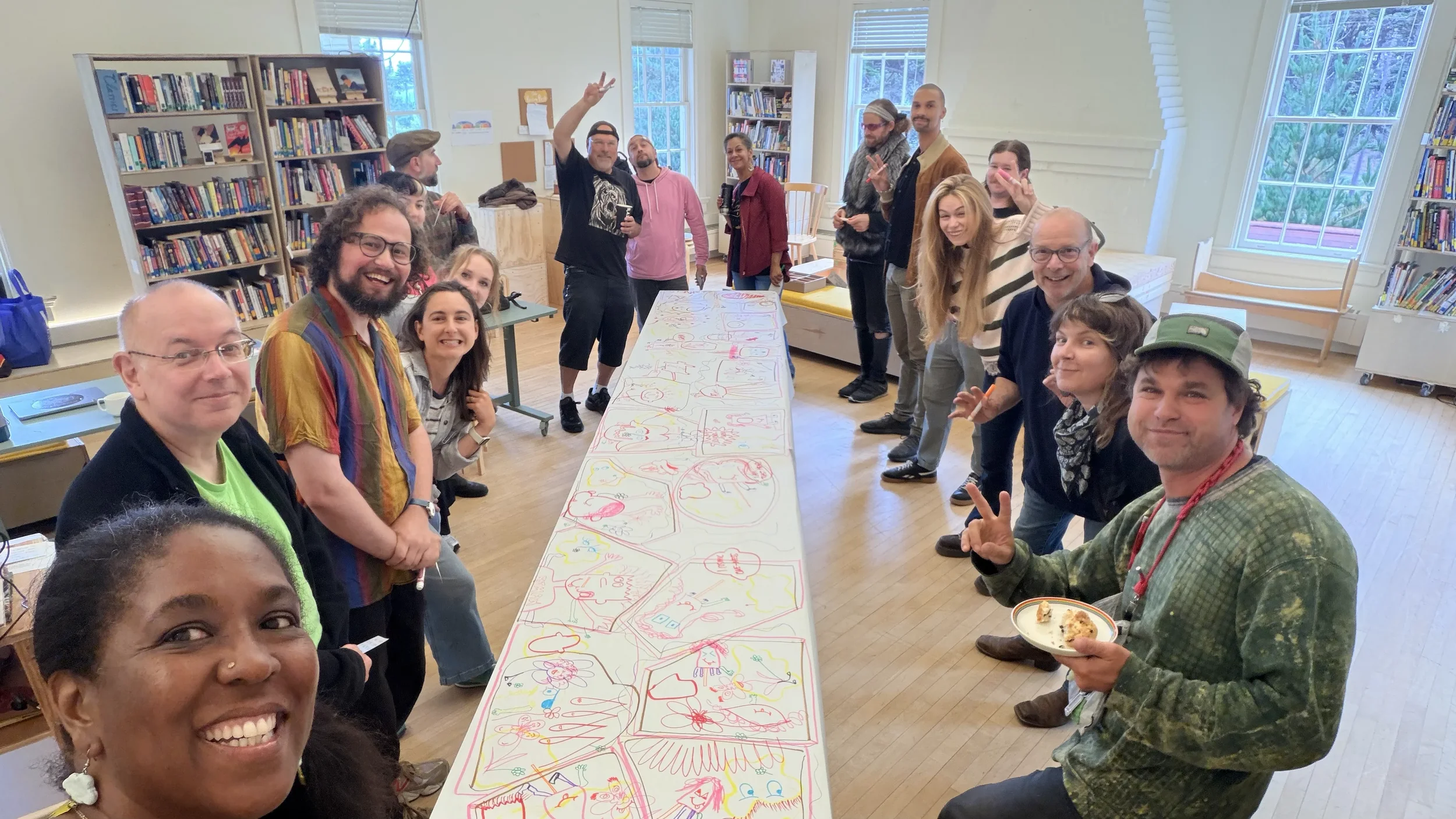
Last week, the Brightworks staff spent our staff time together going down rabbit holes.
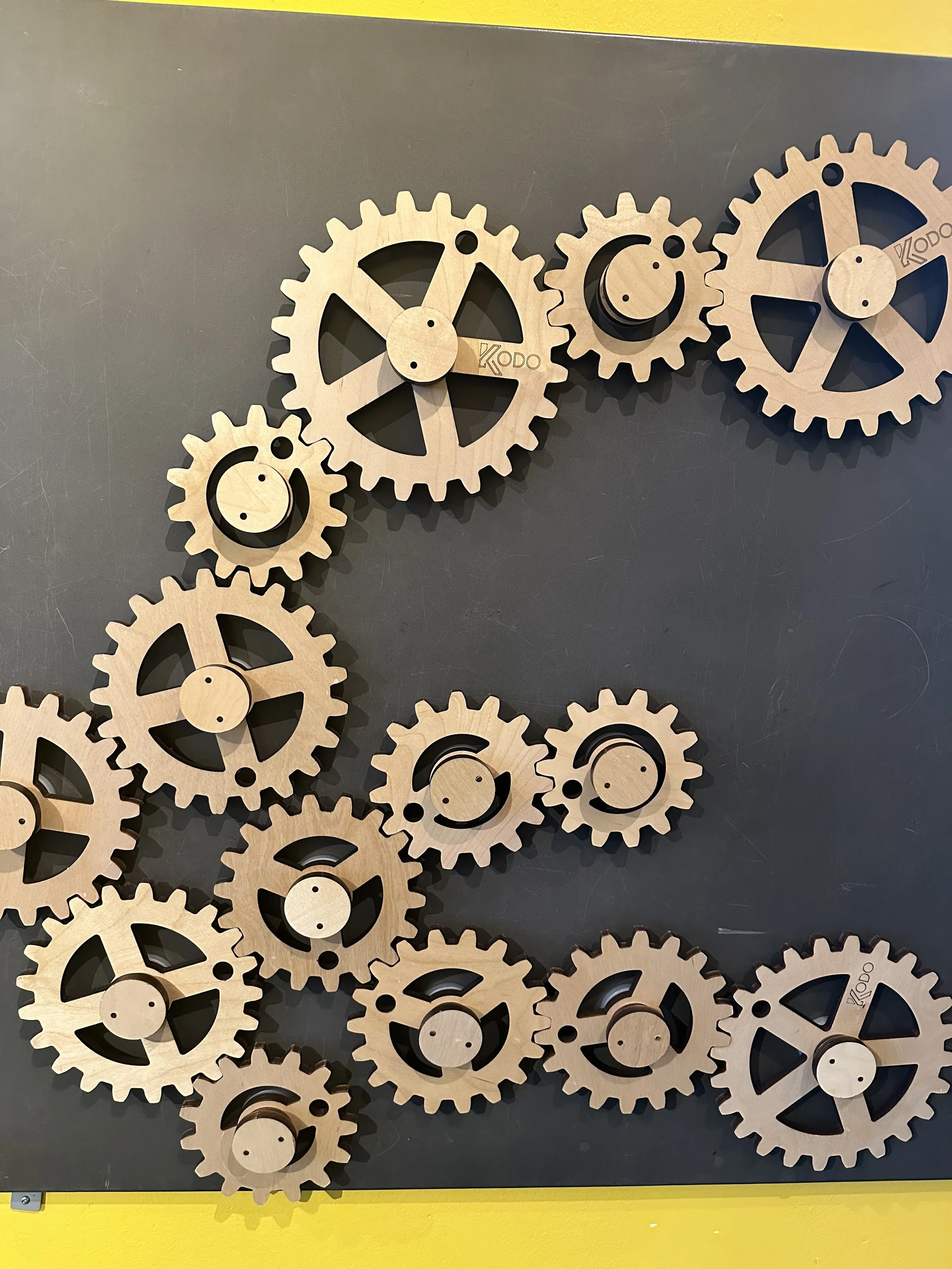
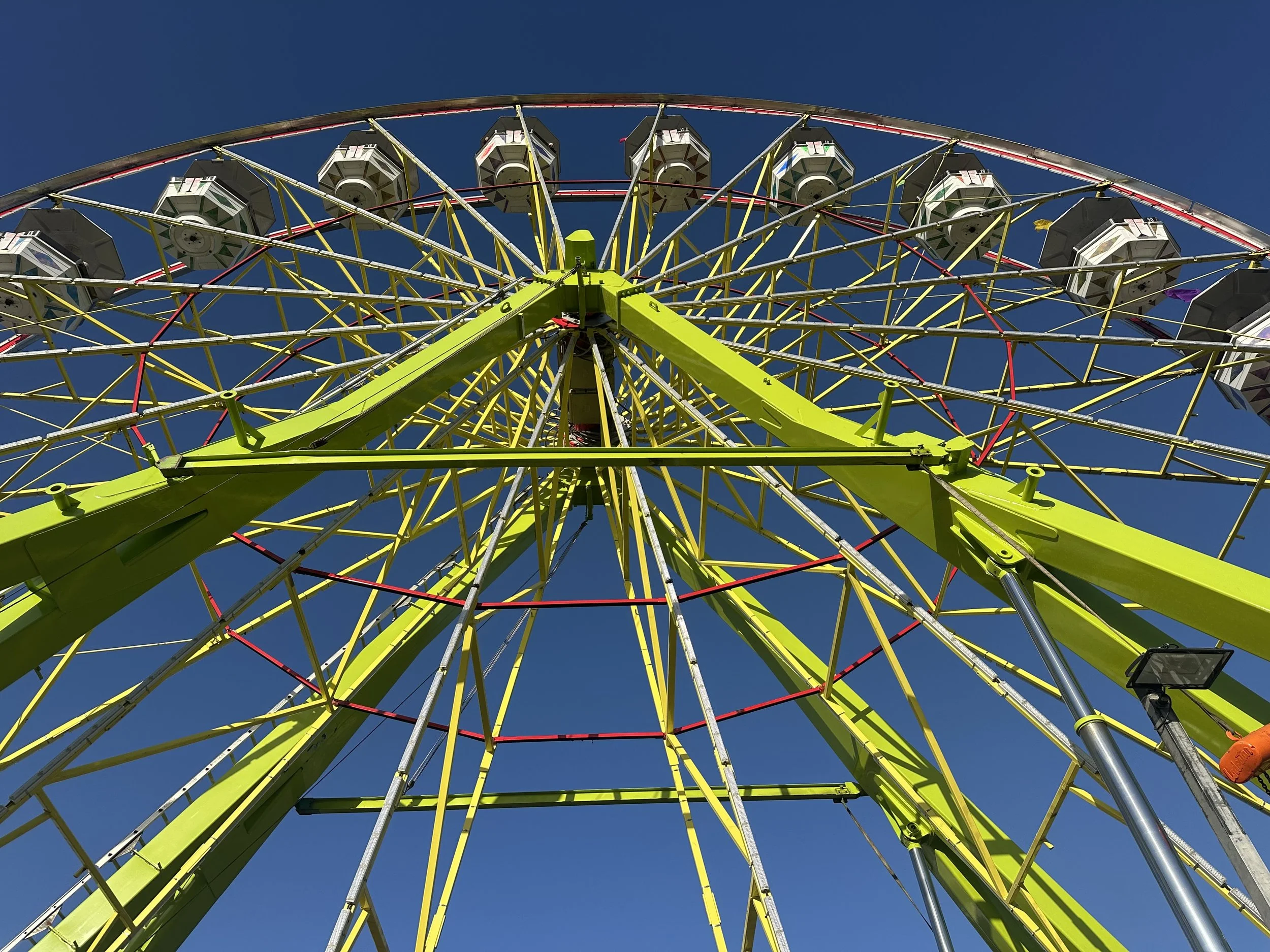
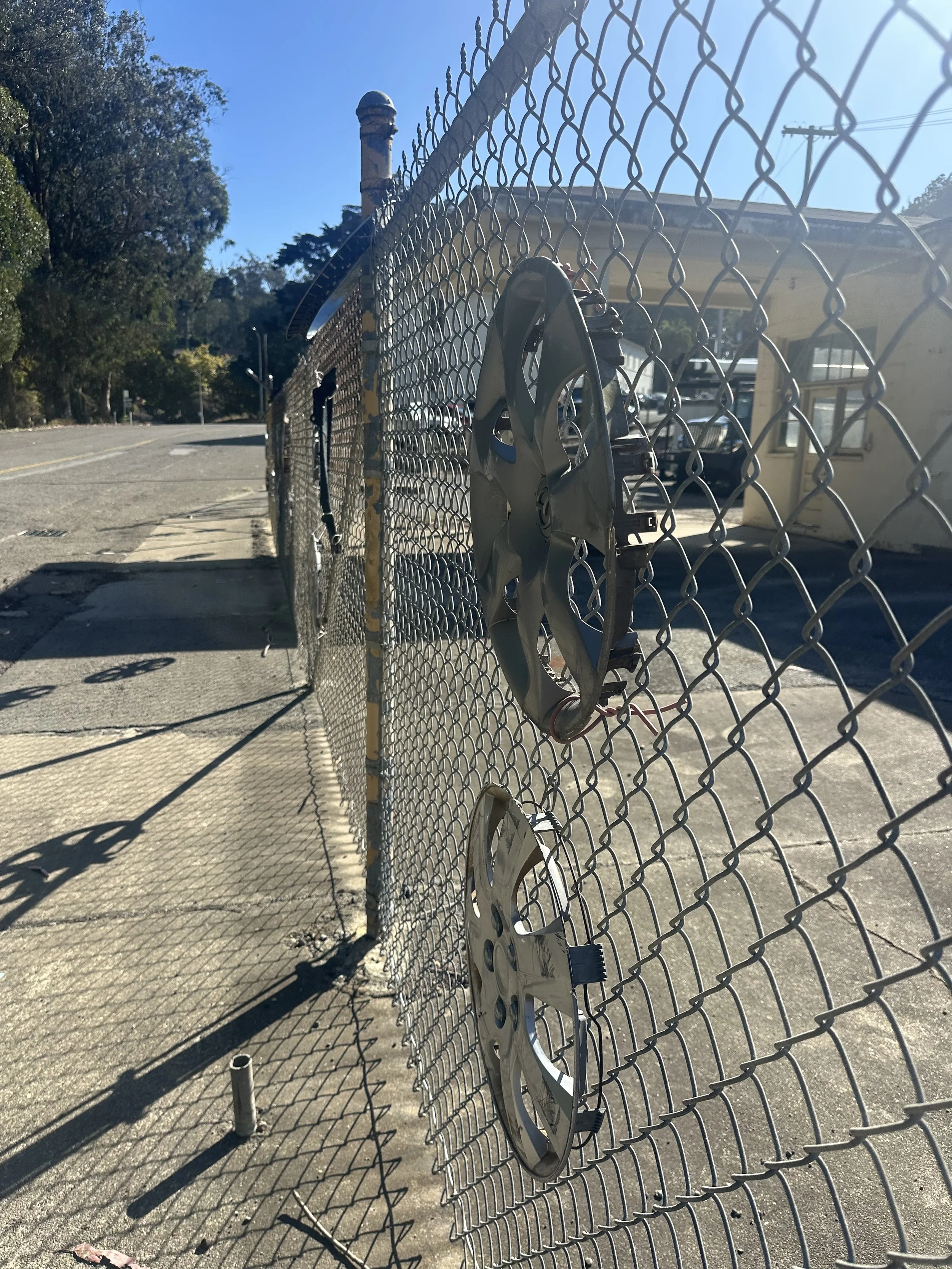
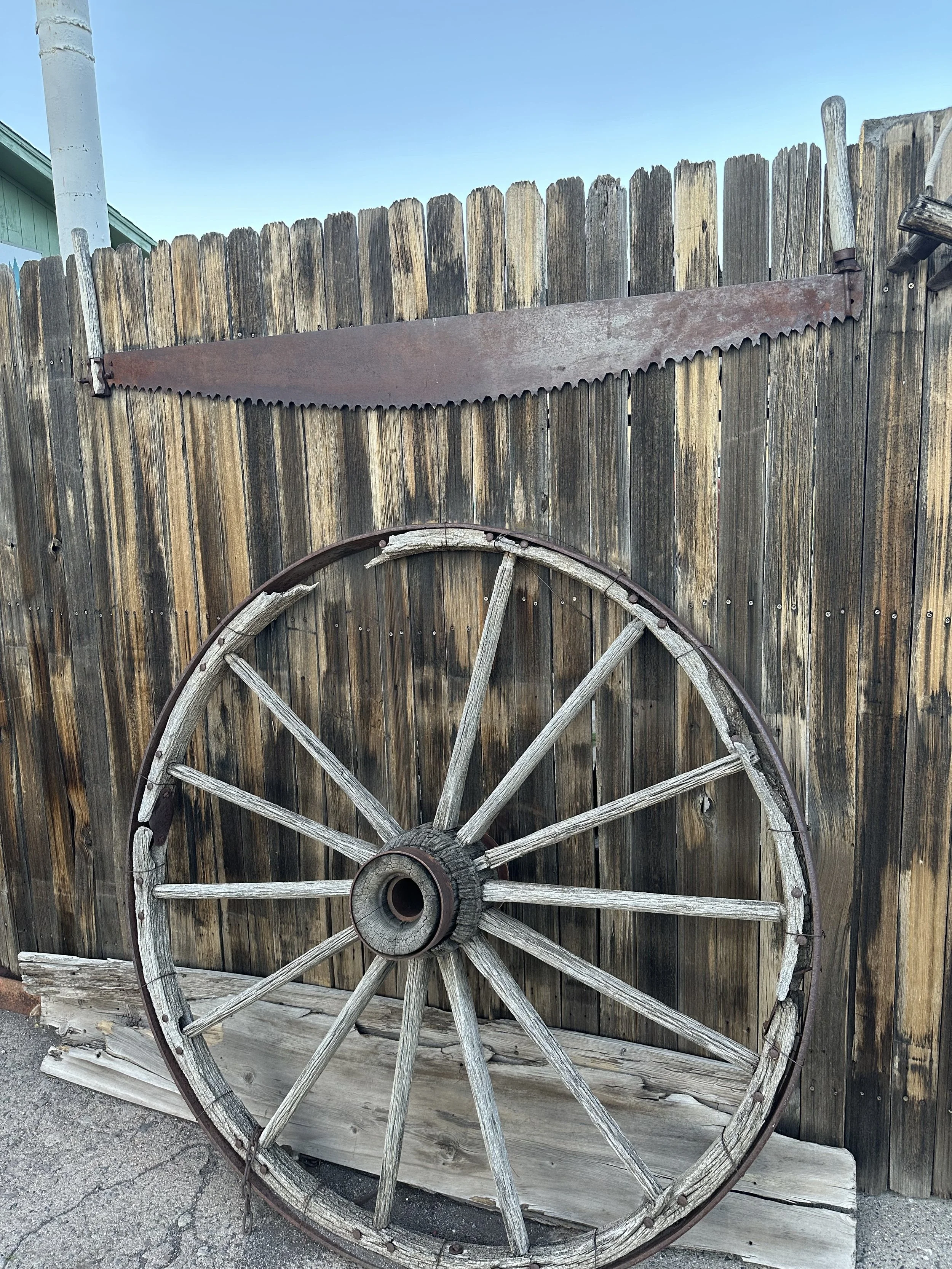
Automata. Gears and pulleys. The evolution of the bicycle. Rolling pins. Lazy Susans. Pottery wheels. The way a sunflower's seed spiral echoes the geometry of a gear. Roman chariots. Wheelchairs and the physics of independence. The mechanics of a Ferris wheel. Why some wheels turn, and some wheels are the thing that turns.
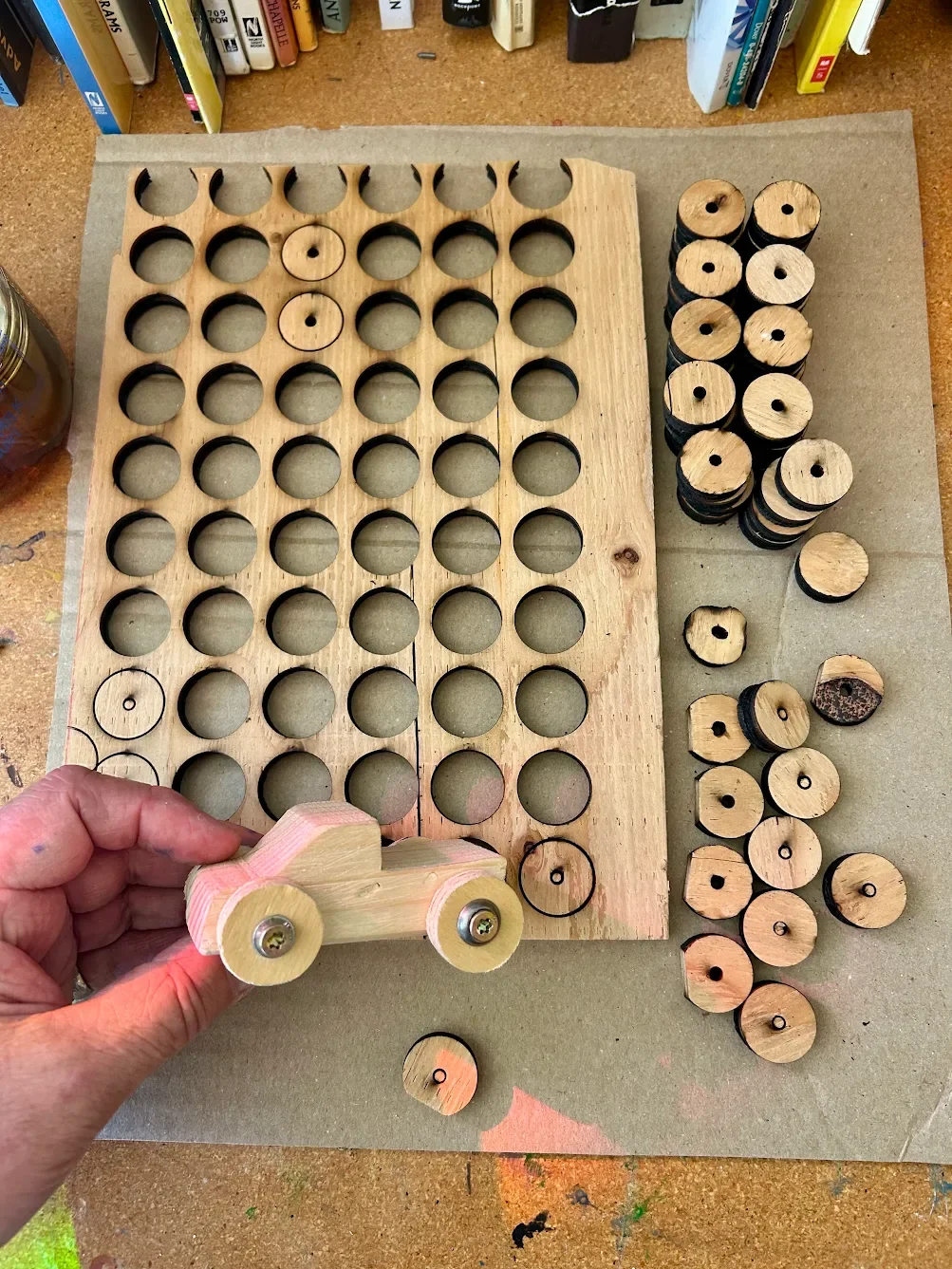
We also had the pleasure of welcoming a friend of the community (and former Tinkering School Manager) in to share his work with wheels. He shared some of the work he’s done with wheels and engaging project ideas.
By the end of our meeting, Brightworks staff had a board full of provocations, connections, and a shared sense that Wheel — this year's first Arc — was going to be wonderful.
We are excited for the week to come, when we launch the arc with students and the real work begins.
What is an Arc?
If you're new to Brightworks, this is the moment to explain the shape of a Brightworks education.
An Arc is the fundamental rhythm of learning here. Twice a year, the whole school — kindergarten through high school — enters an intensive, multi-week immersion in a single topic. Students approach that topic at the level and depth appropriate to their age, but everyone is thinking about the same thing, at the same time, together. Then they emerge, having gone deep, and enter the next Arc.
We do this instead of moving through a traditional curriculum for one reason: depth over breadth builds better brains.
When a student learns about wheels in isolation — a chapter on simple machines, a diagram in a physics book — the knowledge stays shallow. When they investigate wheels across weeks, encountering them in engineering, history, art, biology, math, and their own hands, something different happens neurologically. The brain builds pathways — connections between ideas that make learning durable, transferable, and alive.
An Arc is not a unit of study. It is a way of thinking that becomes a habit of mind.
(For the full explanation of the Arc structure, see The Arc →)
Every Arc begins with Exploration
Each Arc unfolds in phases, and the first is Exploration.
Exploration is the phase where students ask — and are asked — the fundamental questions:
What is it? What does it mean? Why is it important?
These are not warm-up questions. They are the philosophical, structural, and personal questions that will shape everything else the Arc becomes. A student who has genuinely grappled with what is a wheel, really? is going to build a different final project than a student who was handed a definition on day one.
During Exploration, students expand their skill sets and encounter new concepts through:
Deep dives and provocations with related experts
Field research in the Presidio, the city, and beyond
Structured games and hands-on practice to build the underlying skills
A narrative thread that pulls the whole Band forward together
A group project that gives context and motivation to the skills being developed
Meanwhile, collaborators are explicitly modeling and teaching the meta-skills that make project work possible: how to collaborate productively, how to hold a growth mindset when something breaks, how to manage a multi-week project without getting lost in it.
What we may seein Wheel Arc
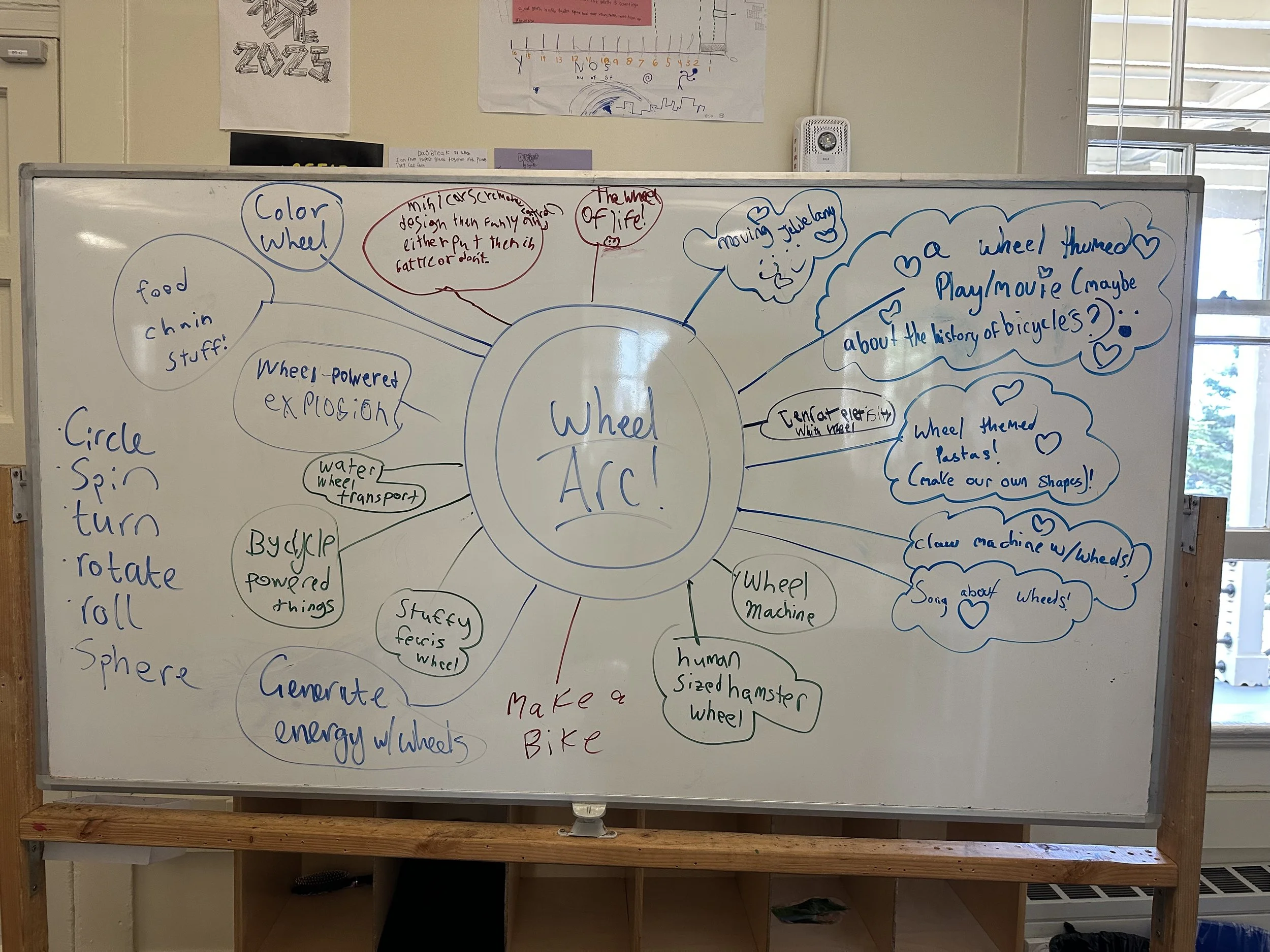
Arc Brainstorm
Just in the first days of previewing, students have shared sparks of interest:
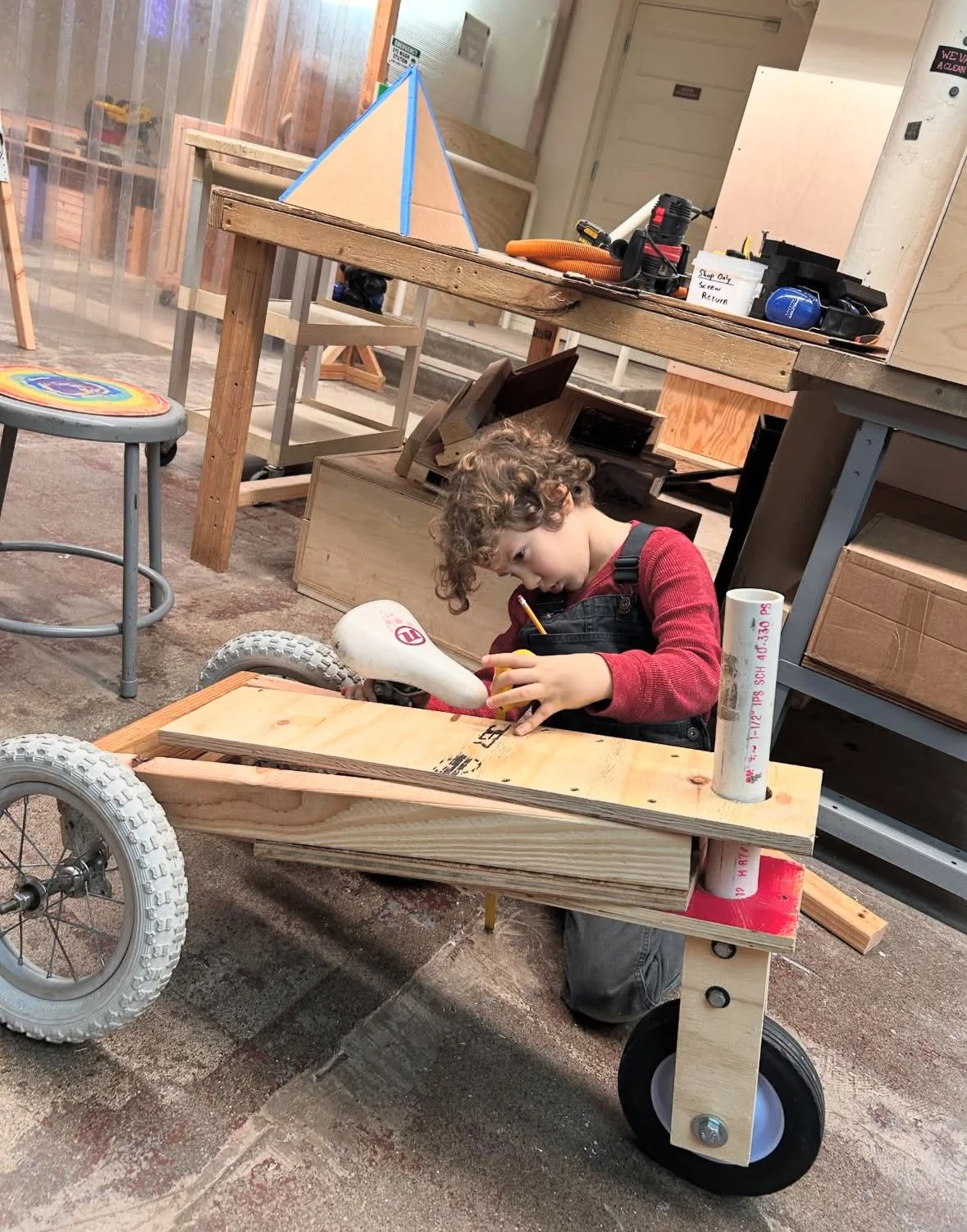
Building moving contraptions out of cardboard, testing what actually rolls and what doesn't
Argued — with real evidence — about what makes something a wheel versus a gear, a lazy Susan, or a disc
Investigating machines from the past, tracing how the wheel has evolved across cultures and centuries
There are wheels everywhere! Skateboards, office chairs, clock hands, the arc of the sun
That last one matters. When a child starts noticing a concept in the world — pointing at it in the wild, unprompted — you're witnessing the exact neurological moment when learning becomes theirs. That's the Arc doing its work.
(If you'd like to see this kind of learning in action across other Arcs, our post on Project-Based Learning at Brightworks is a good next read.)
Do some exploration of your own
One of the quiet joys of an Arc is that it doesn't stay at school. Wheels are everywhere, which means the Arc naturally extends into your kitchen, your commute, your weekend. A few starting points if you want to explore together:
To watch and listen:
No Legs, No Limits — a short film about wheels as a tool for liberation
Henry Ford: The Boy Who Put the World On Wheels — a kid-friendly podcast biography
Hot Wheels vs. Monster Trucks — a delightful debate from Brains On
To explore hands-on:
The LA Natural History Museum Wheels Scavenger Hunt — printable, works anywhere
Build a DIY wheel from what's in the recycling bin
Bake something that uses a rolling pin, and talk about why the wheel makes it easier
Try process art painting with wheels dipped in paint on a large sheet
To notice together:
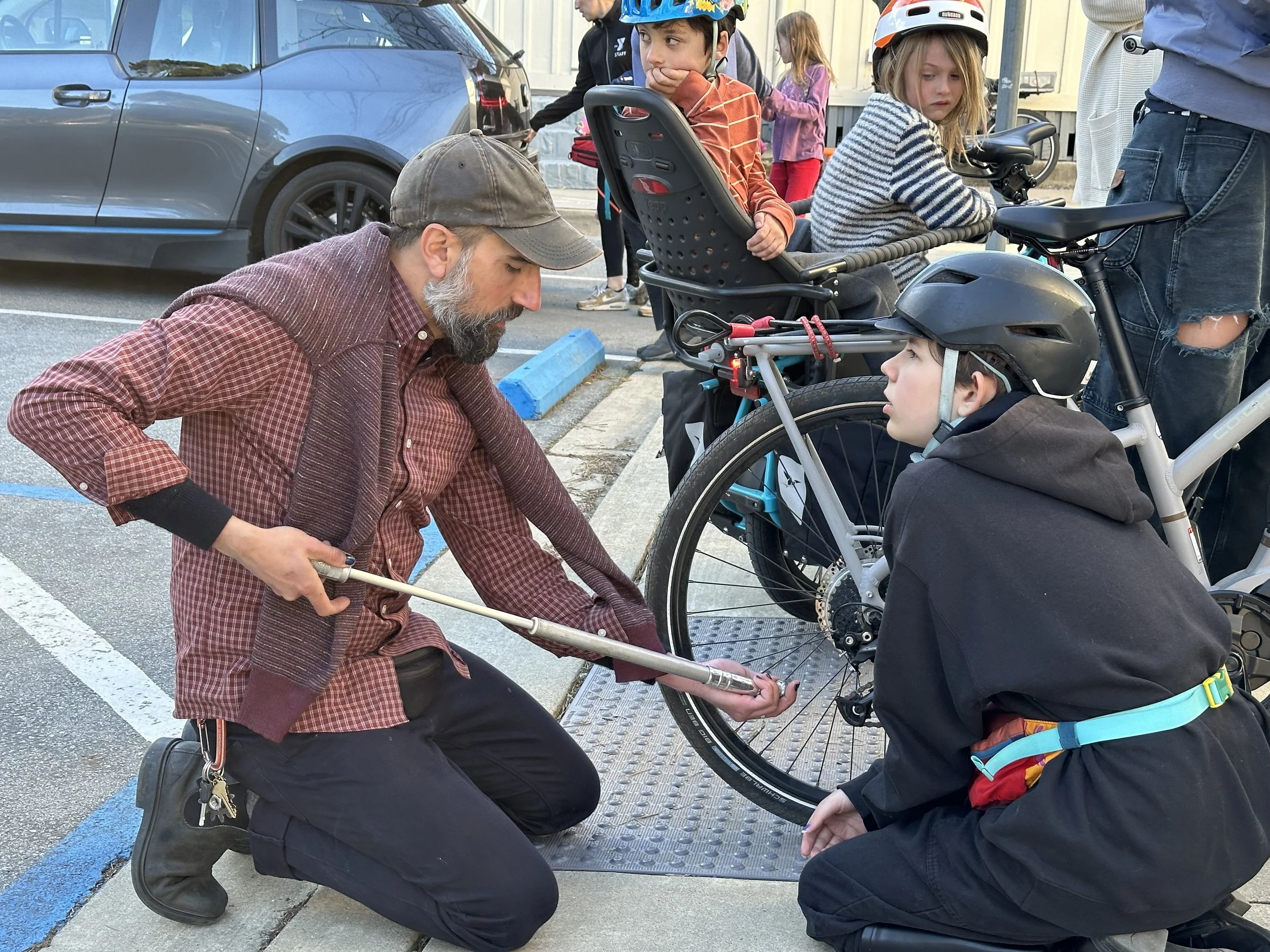
Take a wheel-hunting walk. How many different kinds can you find in one block?
Look at the Local Food Wheel to see how wheels can organize ideas, not just move things
Ask your child what they're noticing this week. You may be surprised what they've started seeing.
Next in the series: how an Arc moves from Exploration to Expression — what happens when students shift from questions to making.
Do you have any great resources to add to the list? Please let us know at info@sfbrightworks.org