Brightworks FAQ
The Brightworks Pedagogy
What is "Education 4.0" and project-based learning?
Project-based learning (PBL) at Brightworks centers real-world experiences and open-ended questions rather than rote memorization and test-taking.
The World Economic Forum published Education 4.0 that outlines the skills needed for students when they graduate.
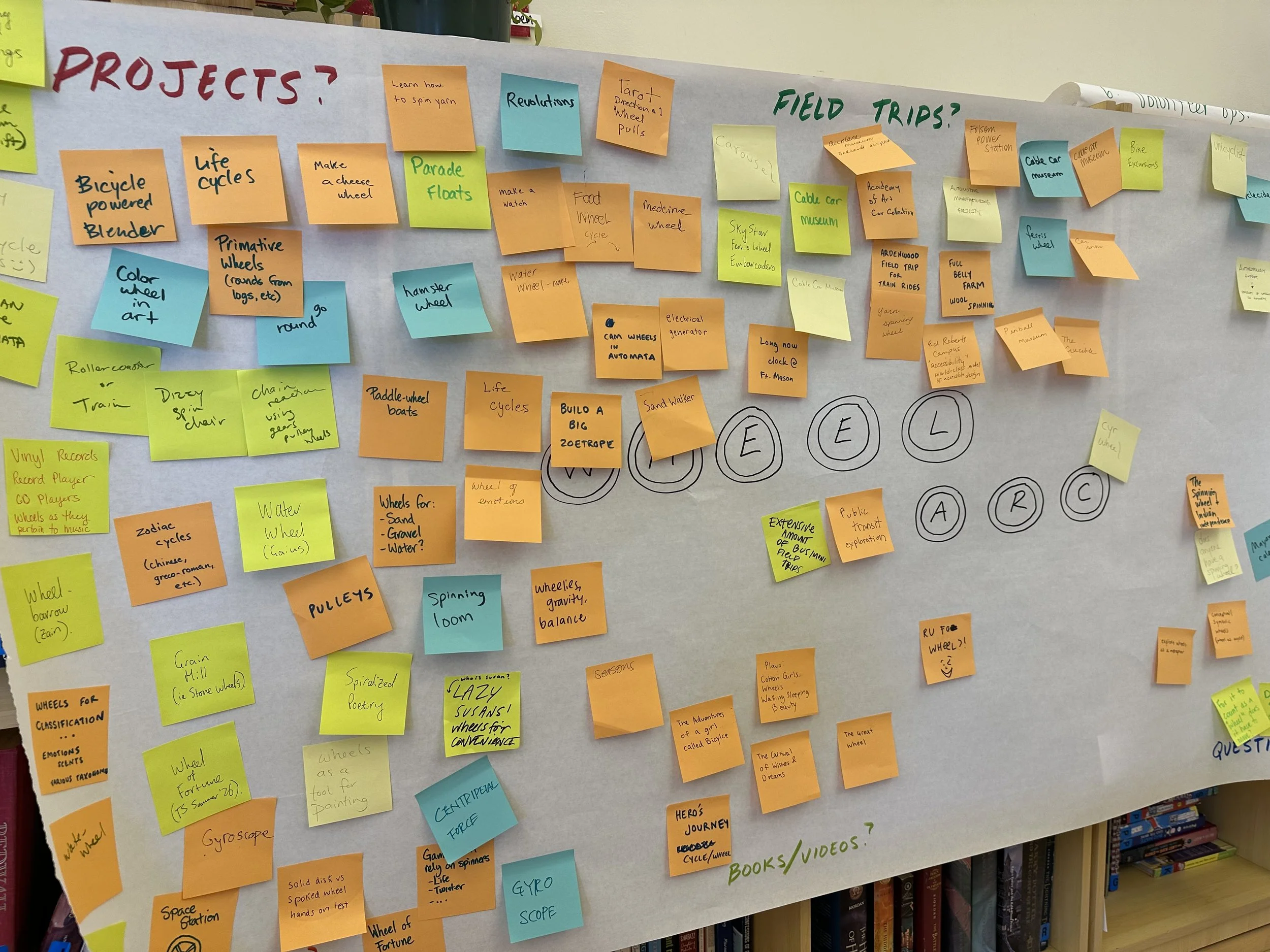
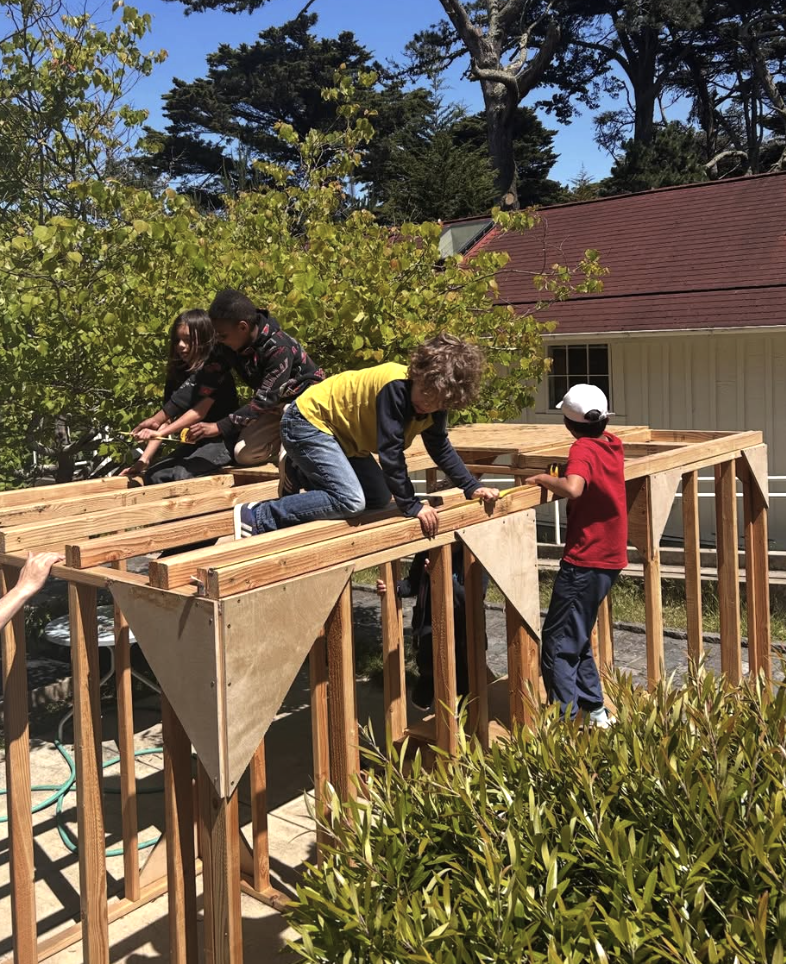
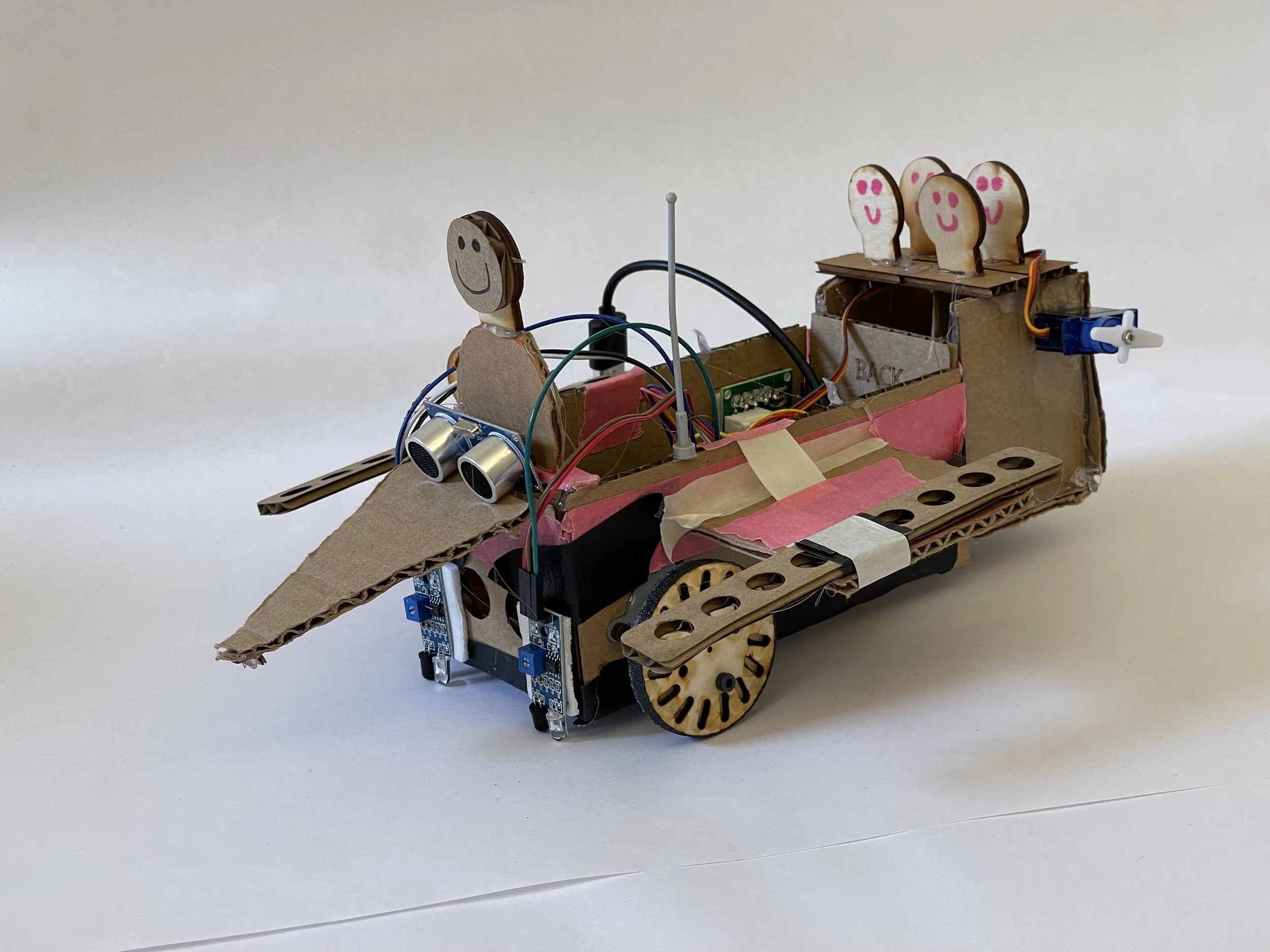
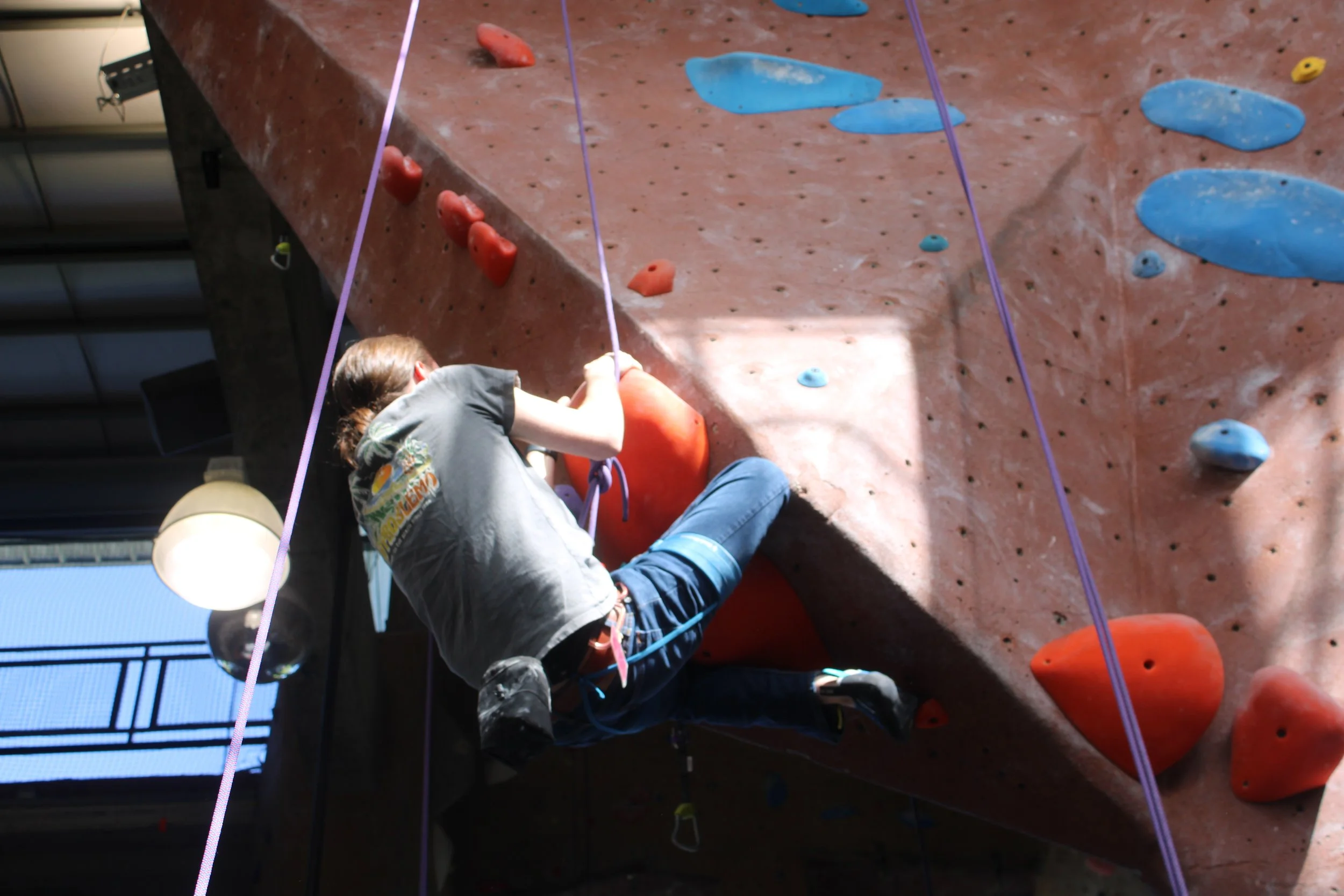
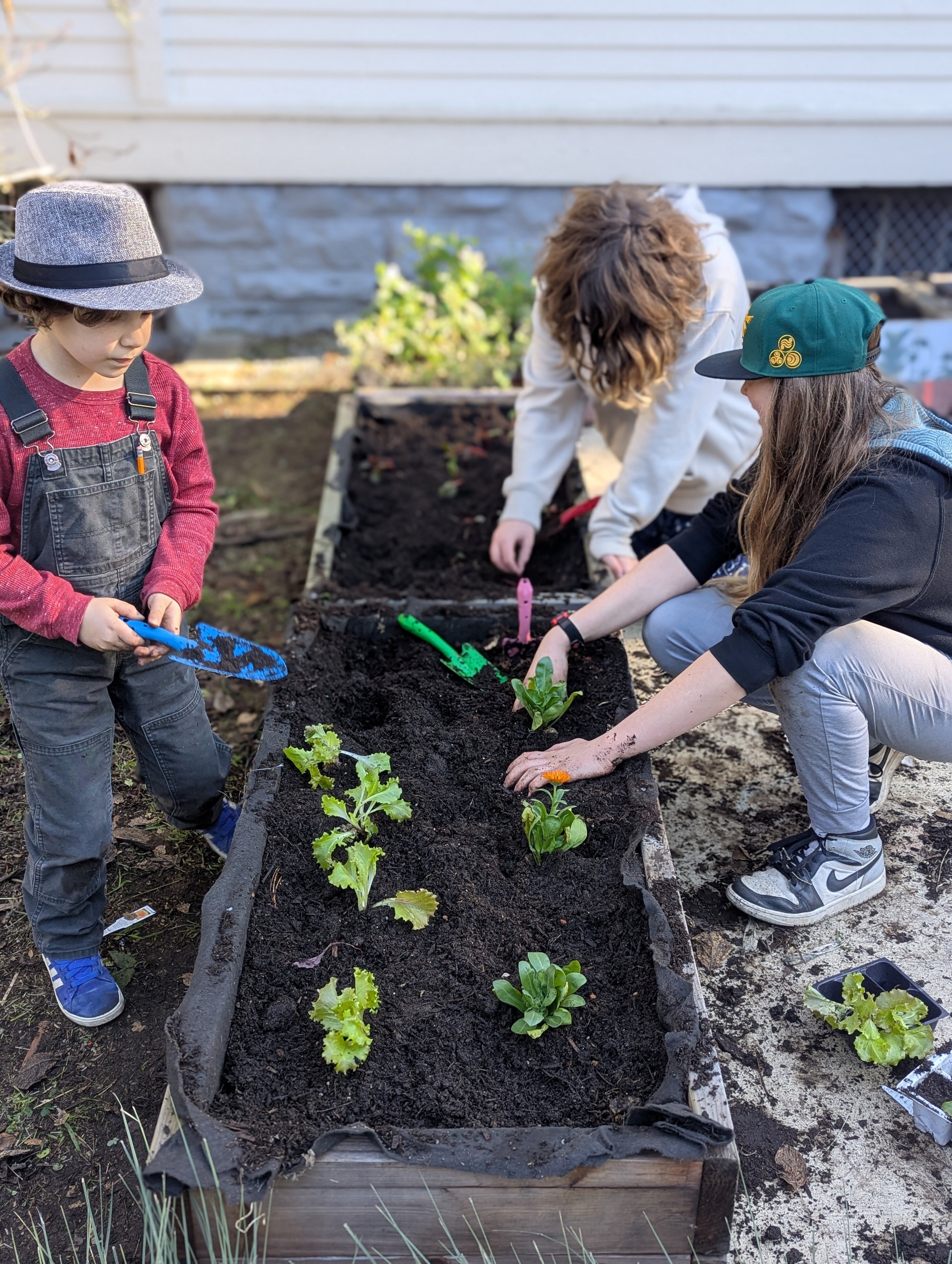
The Brightworks curriculum is an approach that treats the classroom as a collaborative studio. Instead of just studying facts, students co-create their education by designing, testing, building, failing, revising, and sharing their work. These are the skills that will equip students for the world they will enter.
How do students learn core academic skills (reading, writing, and math)?
We immerse learners in the developmental process of core skills by offering both dedicated instruction and experiential application. For example:
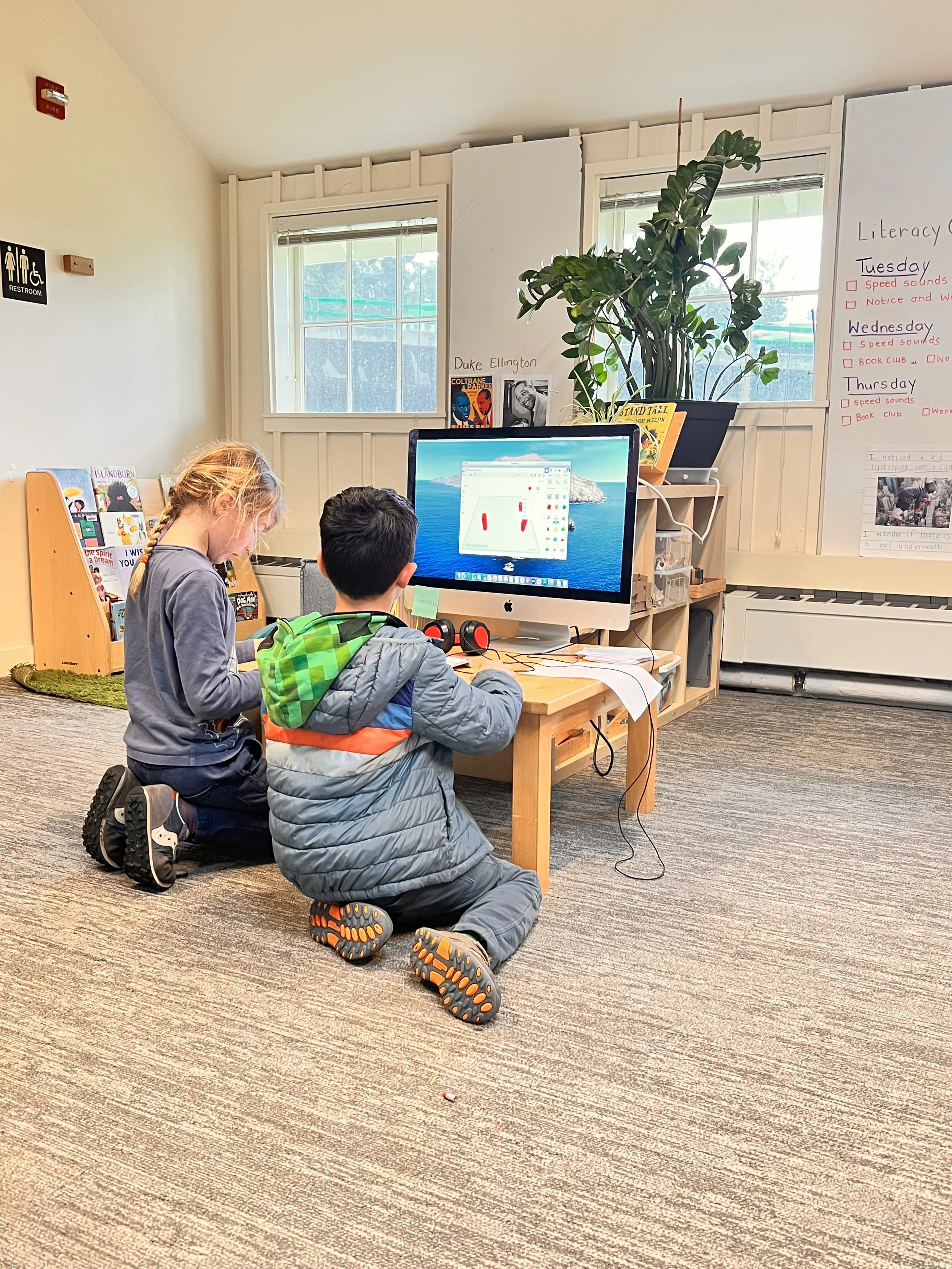
Literacy: Students participate in formal instruction in small groups based on their developmental stage, while also applying those skills by writing books about models they have designed or poetry about their sensory experiences.
Mathematics: Rather than following a traditional curriculum of isolated skills, we start with "provocations"—real, interesting, and important problems. Students then learn and practice the skill blocks (from addition to geometry and beyond) needed to solve that specific problem, ensuring they understand the usefulness of math in the real world. Starting in middle school, students work on math and science with specialist collaborators.
How do you ensure students are learning everything they need?
While we do not follow the Common Core to the letter, we utilize a series of developmental academic landmarks. These landmarks guide students in developing the essential skills and habits of a lifelong learner while prioritizing deep understanding over "fast" learning.
Student Autonomy & The Band Model
What are "Bands," and why don't you use traditional grades?
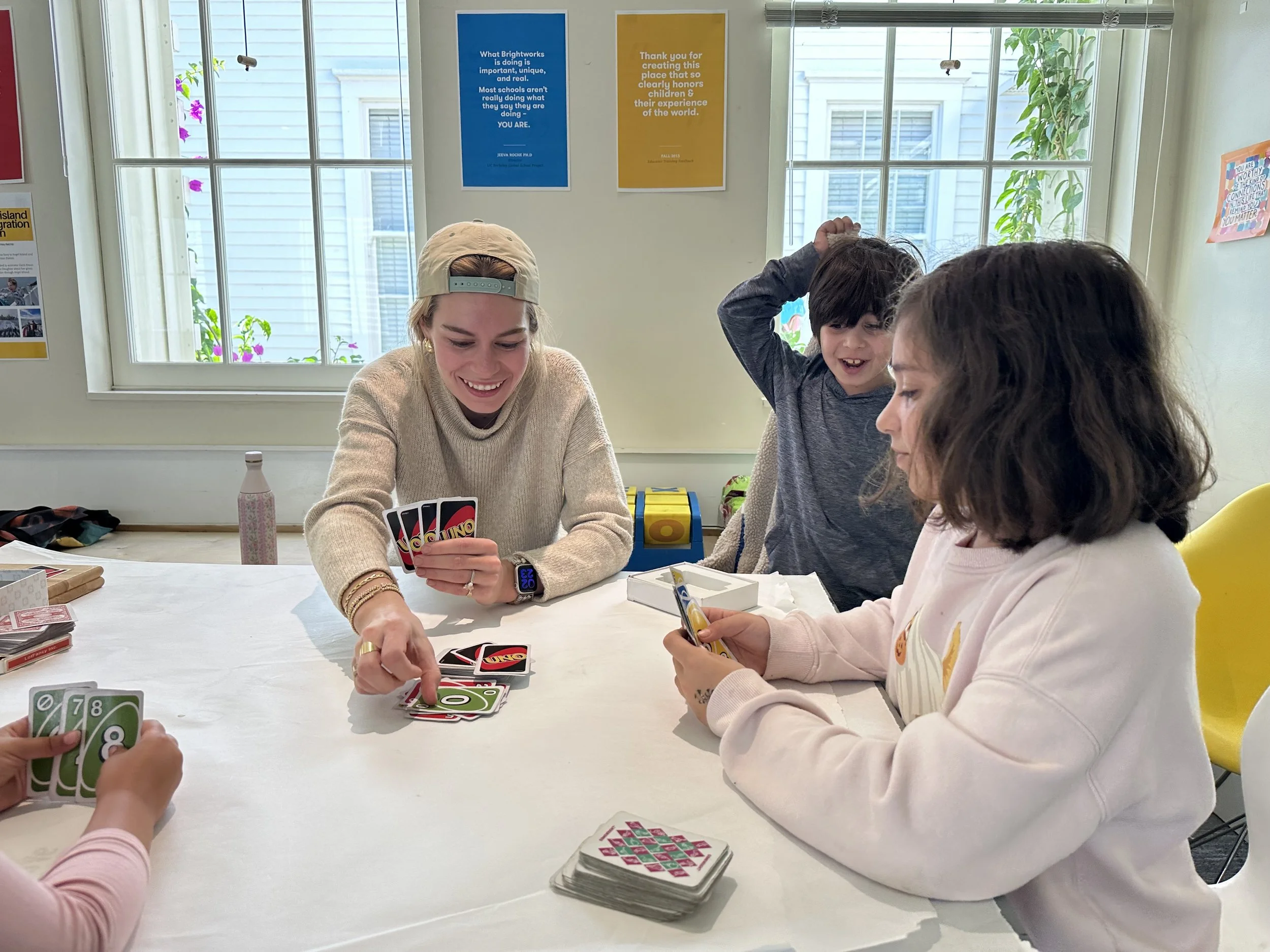
A "Band" is our word for a class. We group students in mixed-age cohorts (typically spanning two to three years) based on their individual developmental, emotional, and academic levels. This model reflects real life, where collaboration happens across differences rather than within rigid age-based hierarchies.
How do you handle assessment without traditional grades?
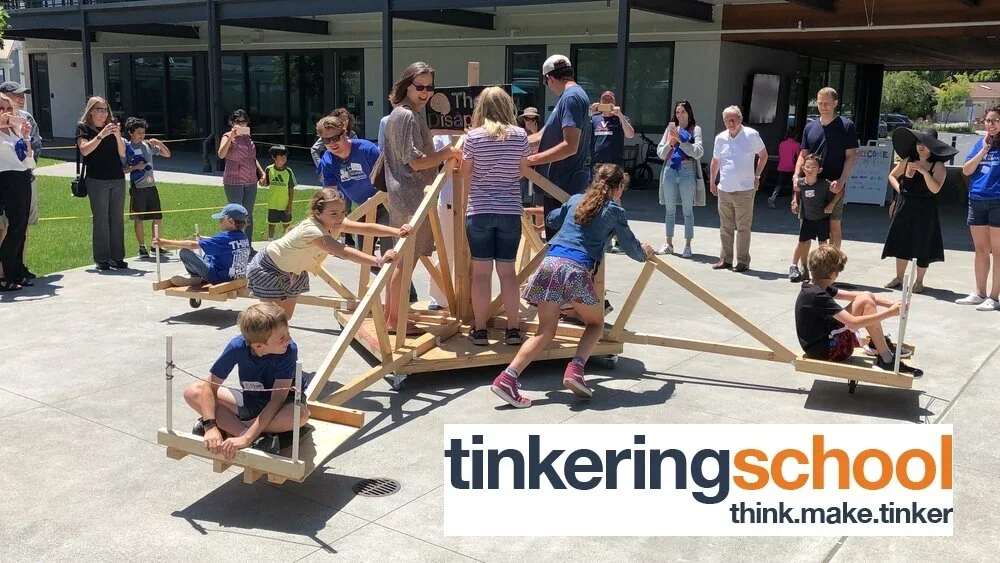
We do not use standard letter grades. Instead, twice a year, students participate in Exposition — rigorous exhibitions where they present their learning, prototypes, and discoveries to the community. This process requires them to practice adult skills like communication, time management, and creative problem solving.
Two additional times each year, families receive a Narrative assessment from the collaborator that outlines the learning, benchmarks and skills that their student is growing.
What is the role of the "Collaborator"?
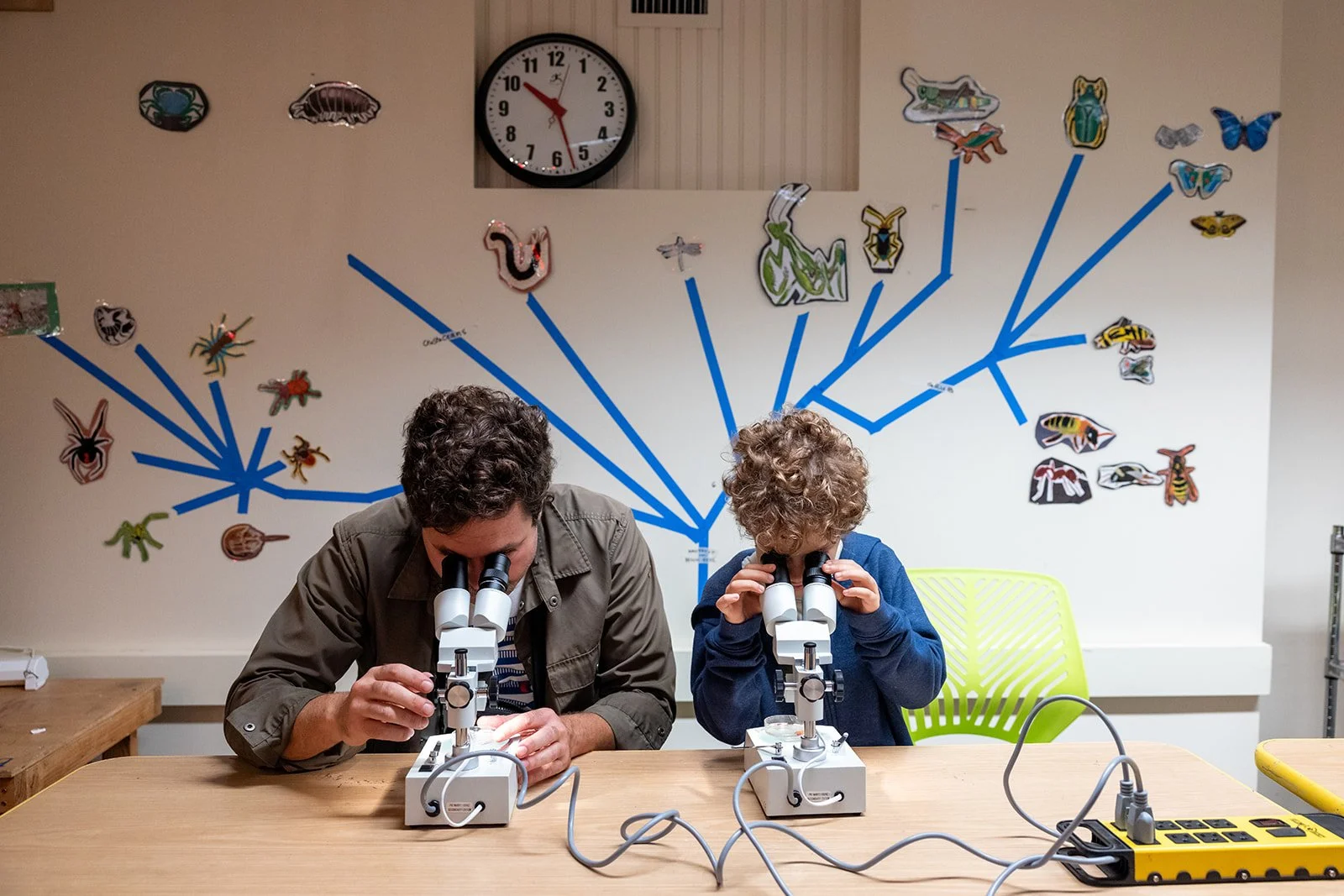
Our teachers are called Collaborators because they design learning experiences with students rather than just delivering information. With a low adult-to-student ratio (starting at 1:7 in younger bands), Collaborators often stay with the same group for multiple years, allowing for deeply personalized growth and strong relationships.
Transitions & Outcomes
What is it like for students transferring in or out?
We treat every child as a unique learner, which allows us to support students wherever they are in their educational journey. Students transferring out or graduating carry with them a high degree of resilience, communication skills, and self-direction.
Where do students go after Brightworks?
Brightworks 8th-grade graduates are prepared for competitive high schools through their experience in our project-based, student-driven curriculum that emphasizes critical thinking and communication. Graduates leave with a deep sense of self, having mastered the ability to present complex, hands-on work—and successfully transition to schools like University, Bay, SOTA and Urban.
Our high school graduates also follow intentional paths that reflect their personal interests. They have matriculated into a wide range of four-year universities, community colleges, gap-year programs, or direct-to-career paths like the fire service or non-profits.
Daily Life & Community
What are the school hours and is there child care?
Brightworks’ School Day: 9:00 am – 3:30 pm (Early dismissal at 2:30 pm on Wednesdays).
Before/After Care: Before care is available from 8:00 am – 9:15 am; aftercare runs from the end of the school day – 6:00 pm.
Is there a PE or Music program?
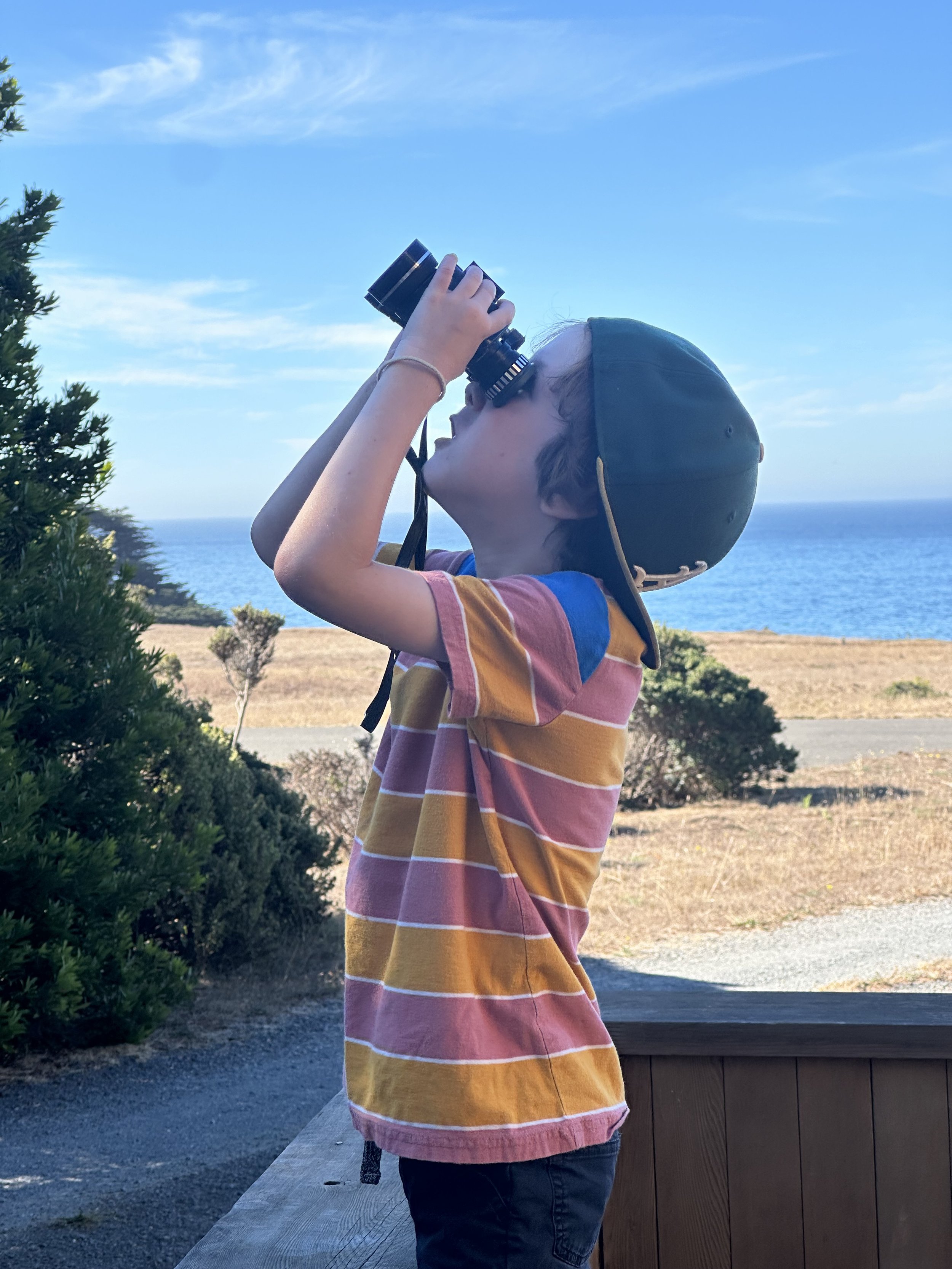
While we do not have formal PE, students spend at least an hour and a half outdoors every day for movement and social time, in addition to frequent explorations of the Presidio.
Our arts and music are often integrated directly into the Arcs, allowing students to express their learning through woodworking, welding, sewing, or digital media.
What are the volunteer requirements for parents?
Volunteering is optional but highly encouraged. We invite parents to model being "lifelong learners" and find ways to connect current school Arcs to their family's life outside of school.
Tuition & Tuition Assistance (TA) FAQs
What is the tuition for the upcoming year?
For the 2026/2027 school year, tuition has been set at $46,142. Tuition is typically adjusted annually to account for the cost of living in the Bay Area and the resources required for our high collaborator-to-student ratio.
How does tuition assistance work?
We prioritize future students by directing substantial revenue toward need-based tuition assistance (nearly 49% of our families receive aid, well above NAIS averages) and employing tools like Clarity to ensure fair, accessible, and transparent financial aid processes.
This reflects our commitment to economic diversity and our value of equity. Brightwork’s provides tuition assistance strictly on a need-based basis and reductions in tuition are given in the form of grants that do not need to be repaid.
Currently, over 33% of our operating budget is allocated to providing tuition assistance.
What if we miss the deadline?
We encourage all families to apply during the regular admissions window. Funds are allocated during this time, and resources become significantly more limited for "late" or rolling admissions.
Is there a deposit required?
Yes. Upon acceptance, families receiving tuition assistance are required to pay a non-refundable 10% registration deposit to secure their spot.